The Retirement Policy Update 2026 in India is set to redefine how millions of employees transition into their golden years. With proposed changes affecting retirement age, pension calculations, and post-retirement benefits, this update could mean thousands of rupees more in your monthly income or additional years in service. Whether you are a government employee, private sector worker, or planning your retirement strategy, understanding these changes is crucial to securing your financial future and making informed career decisions today.
What is the Retirement Policy Update 2026
The Retirement Policy Update 2026 refers to a comprehensive set of proposed reforms in India’s retirement framework affecting both government and private sector employees. These changes aim to address challenges such as increased life expectancy, pension fund sustainability, and the need for better post-retirement financial security. The update encompasses modifications to retirement age limits, pension scheme structures, and benefits eligibility criteria across various employment sectors.
Key Changes in Retirement Age Across Sectors
One of the most significant aspects of the Retirement Policy Update 2026 involves adjustments to the mandatory retirement age for different categories of workers.
Proposed Changes Include:
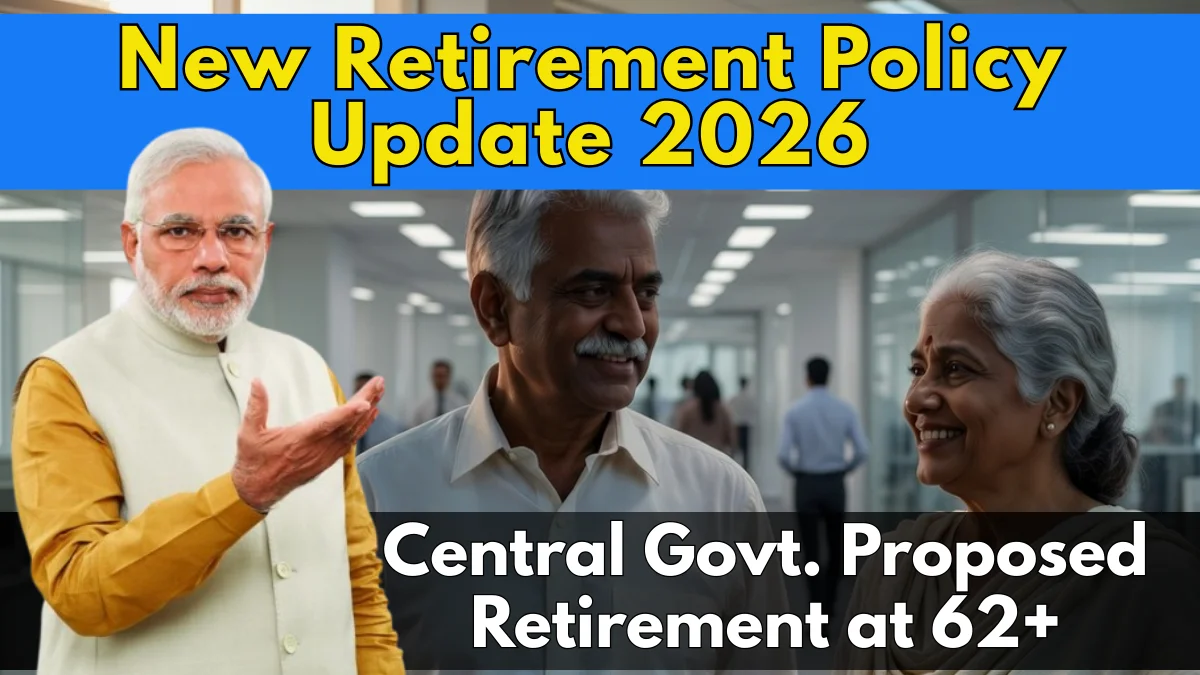
- Central Government Employees: Retirement age may be extended from 60 to 62 years for certain categories
- State Government Workers: Various states considering individual policies ranging from 60 to 62 years
- Private Sector Employees: Recommendations for standardized retirement age frameworks
- Public Sector Undertakings: Alignment with central government retirement norms
The retirement age extension aims to utilize experienced workforce talent while allowing employees additional earning years to strengthen their retirement corpus. However, implementation timelines may vary by state and sector, requiring employees to stay updated through official channels.
Pension Scheme Reforms Under the New Policy
The Retirement Policy Update 2026 brings substantial changes to pension calculation methods and minimum pension guarantees, particularly impacting those under the Employees’ Pension Scheme and other retirement benefit programs.
Major Pension Reforms:
- Enhanced minimum pension thresholds for low-income retirees
- Revised calculation formulas incorporating longer service periods
- Improved pension portability between jobs and sectors
- Strengthened survivor pension benefits for dependent family members
- Inflation-linked pension adjustments to maintain purchasing power
These reforms recognize that traditional pension amounts have failed to keep pace with rising costs of living, particularly healthcare expenses that increase significantly during retirement years.
Retirement Policy Update 2026 Overview
Component |
Current Status |
Proposed Change |
|---|---|---|
Retirement Age (Central Govt) |
60 years |
62 years (proposed) |
Minimum EPS Pension |
₹1,000 |
₹7,500 (proposed) |
Gratuity Ceiling |
₹20 lakhs |
Under review for increase |
Provident Fund Interest |
Variable |
Stability measures proposed |
Implementation Timeline |
N/A |
2026 onwards |
This table summarizes the core elements of India’s retirement policy changes in a simplified format.
Impact on Government Employees
Government employees stand to experience the most immediate effects of the Retirement Policy Update 2026. The extended retirement age means additional years of salary, increments, and contribution to provident fund accounts, potentially adding lakhs to their retirement savings.
Benefits for Government Workers:
- Two additional years of active service and salary
- Increased final salary affecting pension calculations
- Higher gratuity amounts based on extended service
- Continued health insurance and medical benefits coverage
- More time to plan post-retirement financial strategies
However, this also means delayed opportunities for younger employees seeking promotions and entry-level positions, creating workforce planning challenges for government departments.
How Private Sector Employees Are Affected
Private sector employees face a different landscape under the Retirement Policy Update 2026. While not bound by mandatory government retirement ages, many organizations may voluntarily align their policies with government standards.
Key Considerations for Private Employees:
- Company-specific retirement policies may be revised upward
- EPFO and EPS benefits adjustments apply to eligible workers
- Increased focus on voluntary retirement schemes for workforce optimization
- Greater emphasis on National Pension System enrollment
- Enhanced portability of retirement benefits between employers
Private sector workers should proactively discuss retirement planning with HR departments and financial advisors to understand how organizational policies may shift in response to national reforms.
Steps Employees Should Take Now
With the Retirement Policy Update 2026 on the horizon, proactive planning can maximize benefits and minimize uncertainty.
Action Points:
- Verify Service Records: Ensure all employment periods are accurately documented in EPFO and pension accounts
- Update Nominations: Confirm nominee details in PF, pension, and gratuity accounts
- Review Financial Plans: Adjust retirement savings targets based on potential age extensions
- Monitor Official Announcements: Follow government notifications through EPFO, labor ministry websites
- Consult Financial Advisors: Seek professional guidance on optimizing retirement corpus
- Consider Voluntary Contributions: Explore VPF and NPS for additional retirement savings
- Health Insurance Planning: Evaluate post-retirement medical coverage needs and options
Early preparation ensures smoother transitions and maximizes the financial benefits available under updated policies.
Challenges and Concerns with the Update
While the Retirement Policy Update 2026 offers potential benefits, it also raises important concerns that policymakers and employees must address.
Key Challenges:
- Youth Employment: Extended retirement ages may reduce job openings for younger workers
- Pension Fund Sustainability: Higher pension payouts require adequate funding mechanisms
- Implementation Consistency: Varied adoption across states and sectors creates confusion
- Health Considerations: Older employees may face increased health challenges affecting productivity
- Transition Management: Existing employees near retirement need clear guidance on applicability
Balancing the needs of current retirees, active employees, and new workforce entrants remains a complex policy challenge requiring careful execution and periodic review.
Regional Variations in Implementation
India’s federal structure means retirement policy implementation may vary significantly across states and union territories. While central government employees follow uniform policies, state government workers and private sector employees face diverse rules.
Regional Factors:
- State-specific retirement age decisions based on fiscal capacity
- Varying pension fund health across different states
- Regional cost of living differences affecting pension adequacy
- State government adoption timelines for central policy recommendations
Employees should verify applicable policies with their respective state labor departments and employment authorities to understand specific regional implementation details.
Planning Your Retirement Under New Policies
Successful retirement planning requires understanding how policy changes affect your specific situation and adjusting financial strategies accordingly.
Retirement Planning Checklist:
- Calculate revised retirement corpus needs based on extended working years
- Assess gap between expected pension and desired retirement lifestyle
- Diversify retirement savings across EPF, NPS, mutual funds, and fixed income
- Plan healthcare expenses with dedicated medical emergency funds
- Consider post-retirement income opportunities like consulting or part-time work
- Evaluate housing needs and potential relocation for cost optimization
- Discuss financial plans with family members and beneficiaries
The Retirement Policy Update 2026 creates both opportunities and planning requirements that demand attention well before actual retirement dates.
Conclusion
The Retirement Policy Update 2026 in India represents a significant shift in how employees approach their final working years and post-retirement life. With proposed changes to retirement ages, enhanced minimum pensions, and reformed benefit structures, the update aims to provide greater financial security while addressing demographic and economic realities. Whether you are decades away from retirement or approaching it soon, staying informed through official government channels, maintaining accurate service records, and proactive financial planning will help you maximize benefits under the new framework. As implementation details emerge, employees across all sectors should actively monitor developments and adjust their retirement strategies to secure a comfortable and dignified post-working life.
Disclaimer: This article provides general information about proposed retirement policy changes in India. Actual implementation, eligibility criteria, and specific benefits may vary based on official government notifications, state policies, and individual employment situations. Readers should consult official sources including EPFO, labor ministry websites, and qualified financial advisors for personalized guidance.
For More Information Click HERE