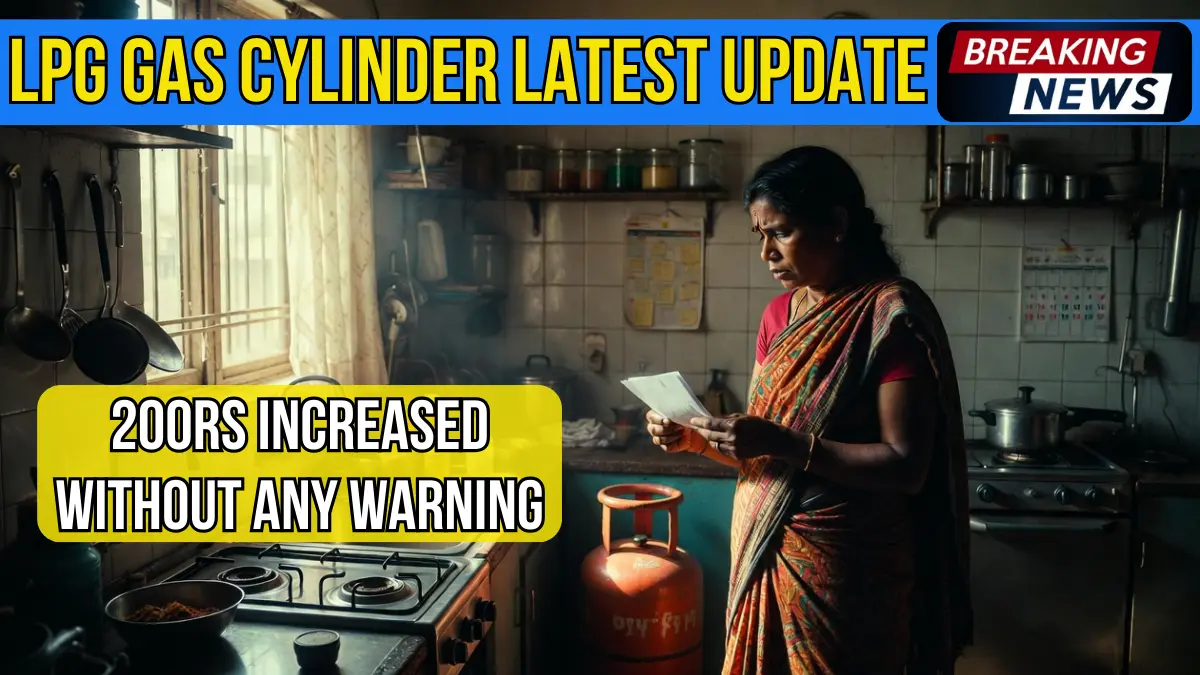
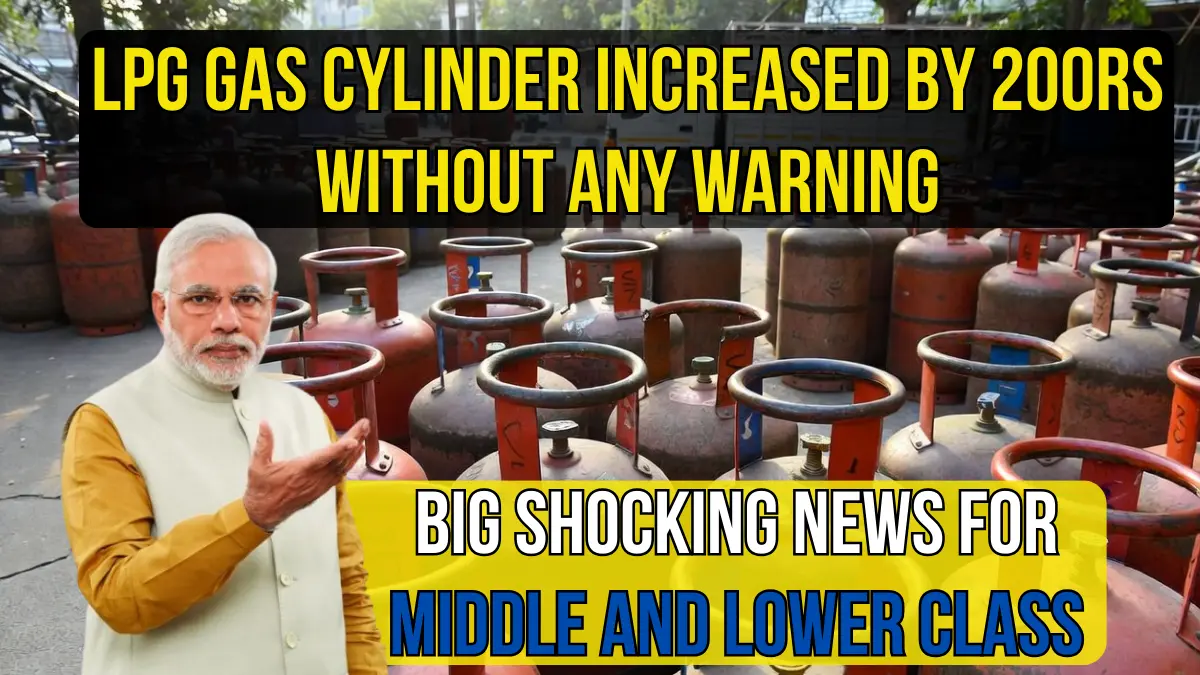
LPG Gas Cylinder find your monthly kitchen budget has just increased by 200Rs without any warning. This is the reality millions of Indian households face every time LPG gas cylinder prices change. Whether you are a homeowner managing daily expenses or a restaurant owner calculating operational costs, staying updated on gas cylinder prices is no longer optional but essential for financial planning. Today’s update brings crucial information that could impact your budget significantly, so let’s dive into everything you need to know about the latest LPG gas cylinder prices across India.
LPG Gas Cylinder Latest Update Today
The LPG gas cylinder prices in India are revised on the 1st of every month by oil marketing companies including Indian Oil Corporation, Bharat Petroleum, and Hindustan Petroleum. However, these prices can vary significantly from city to city based on local taxes, transportation costs, and state government policies. As of January 2026, the pricing structure remains dynamic with both subsidized and non-subsidized options available for domestic consumers.
The government continues to provide subsidies on domestic LPG cylinders under the Pradhan Mantri Ujjwala Yojana and direct benefit transfer schemes. Eligible households receive up to 12 subsidized cylinders per year, while any additional cylinders are charged at market rates. This dual pricing system means you need to track both subsidized and non-subsidized rates to understand your actual kitchen fuel expenses.
Understanding Different LPG Gas Cylinder Sizes
Many consumers remain confused about the actual cylinder sizes available in India. Let’s clear this up once and for all.
14.2 Kg Domestic Gas Cylinder
The standard domestic LPG cylinder in India weighs 14.2 kg, not 14 kg, 15 kg, or 16 kg as commonly misunderstood. This is the cylinder you see in most Indian kitchens. The net weight of LPG gas is 14.2 kg, while the cylinder itself weighs approximately 15 kg, making the total gross weight around 29.2 kg.
The 14.2 kg cylinder is designed for household cooking purposes and comes in both subsidized and non-subsidized categories. Prices for this cylinder vary across cities. In major metros like Delhi, Mumbai, Kolkata, and Chennai, the rates differ due to varying state taxes and local levies.
19 Kg Commercial Gas Cylinder
Commercial establishments like restaurants, hotels, dhabas, and catering businesses use the 19 kg LPG cylinder. This larger cylinder is always sold at non-subsidized market rates regardless of the buyer. The commercial cylinder provides more cooking fuel and is built to handle the higher consumption needs of food businesses.
Commercial cylinder prices are generally higher per kg compared to domestic cylinders because they don’t receive any government subsidy. Business owners must factor these costs into their operational budgets and menu pricing strategies.
5 Kg Domestic Gas Cylinder
For small families or backup purposes, oil companies offer a 5 kg domestic cylinder. This compact option is convenient for people living alone, senior citizens who cook less frequently, or as an emergency backup cylinder. The per kg rate is slightly higher for smaller cylinders due to fixed handling and distribution costs.
Current LPG Gas Cylinder Prices Across Major Cities
LPG prices fluctuate monthly based on international crude oil rates, currency exchange rates, and government policies. Here’s what you need to know about pricing patterns.
Factors Affecting Gas Cylinder Prices
Several elements determine your final LPG cylinder cost:
- International crude oil prices form the foundation as LPG is a petroleum product. When global oil prices rise, Indian LPG rates typically follow within a month or two.
- The rupee to dollar exchange rate plays a crucial role since India imports a significant portion of its LPG requirements. A weaker rupee means higher prices for consumers.
- State governments levy different VAT rates on LPG, creating price variations across cities. Each state has its own taxation policy that directly impacts the final price you pay.
- Transportation and distribution costs add another layer, with remote areas generally paying more than cities near refineries or ports.
- Central government subsidy allocations affect domestic cylinder prices for eligible beneficiaries under various welfare schemes.
Price Variation Between Cities
Cities like Mumbai typically have higher LPG prices due to higher local taxes and distribution costs. Delhi often sees moderate pricing because of its proximity to refineries and efficient distribution networks. Southern cities like Bengaluru and Chennai have their own pricing influenced by state taxation policies.
Tier 2 and Tier 3 cities may experience slight variations based on logistics. Rural areas under the Ujjwala scheme receive the same subsidy benefits as urban consumers, though the base non-subsidized price might differ marginally.
How to Check Latest LPG Gas Cylinder Prices
Staying informed about current rates helps you budget effectively and avoid surprises.
Official Methods to Check Prices
You can check the latest LPG cylinder prices through multiple official channels:
- Visit the official website of your gas provider. Indian Oil, Bharat Petroleum, and Hindustan Petroleum all maintain updated price lists on their websites with city wise breakdowns.
- Call the customer care number of your LPG distributor. They have access to the latest rates applicable in your area and can provide accurate information instantly.
- Subscribe to SMS alerts from your gas agency. Many distributors now send automatic price update messages to registered mobile numbers whenever prices change.
- Download mobile apps of oil marketing companies. Indian Oil’s IOCL app, BPCL’s SmartLine app, and HPCL’s MyHPCL app all feature real time price checking tools along with easy booking facilities.
LPG Gas Price Per Kg Calculation
Understanding the per kg cost helps you compare value across different cylinder sizes and make informed decisions.
The per kg rate is calculated by dividing the total cylinder price by the net gas weight. For a 14.2 kg cylinder priced at Rs 850, the per kg cost would be approximately Rs 59.86. For a 19 kg commercial cylinder priced at Rs 1,650, the per kg rate would be around Rs 86.84.
This calculation reveals that larger domestic cylinders offer better per kg value than smaller ones. However, commercial cylinders always have higher per kg rates due to the absence of subsidies. When comparing costs, always use the per kg metric rather than absolute cylinder prices for accurate assessment.
Subsidy Benefits and Eligibility
The government provides LPG subsidies to make cooking fuel affordable for economically weaker sections.
Who Gets LPG Subsidy
Households with an annual income below Rs 10 lakh are generally eligible for subsidized LPG under the direct benefit transfer scheme. Ujjwala Yojana beneficiaries receive special subsidy benefits. The subsidy amount is directly credited to the bank account linked with your LPG connection after you purchase the cylinder at market price.
Each eligible household can receive subsidy on up to 12 cylinders per financial year. Any cylinders beyond this limit are charged at non-subsidized rates. You must have your Aadhaar linked with your LPG connection to receive subsidy benefits through DBT.
How Subsidy Works
When you book a subsidized cylinder, you pay the full market price at the time of delivery. Within a few days, the subsidy amount gets credited directly to your linked bank account. This ensures transparency and eliminates middlemen from the subsidy distribution process.
The subsidy amount varies based on international oil prices and government budget allocations. During periods of high crude oil prices, the subsidy per cylinder increases to cushion consumers from sharp price hikes.
Tips to Reduce LPG Gas Consumption
Smart cooking practices can significantly extend your cylinder’s life and reduce monthly expenses:
- Use pressure cookers for dishes that require long cooking times. This saves substantial gas compared to regular open cooking methods.
- Cook multiple items together in a single session. This reduces the number of times you need to light the stove and wastes less fuel on heating up.
- Keep lids on pots and pans while cooking. Trapping heat speeds up the cooking process and prevents energy wastage.
- Clean your gas stove burners regularly. Clogged burners waste gas through incomplete combustion and produce uneven flames that reduce cooking efficiency.
- Match your vessel size with the burner size. Small pots on large burners lose heat around the edges, wasting valuable fuel.
- Soak lentils and beans before cooking. This reduces their cooking time dramatically and saves significant amounts of gas.
- Cut vegetables into smaller pieces. They cook faster when cut smaller, reducing overall cooking time and fuel consumption.
- Plan your meals and cook in batches for 2 to 3 days. This approach saves both time and gas compared to cooking fresh for every meal.
Official Links for LPG Services
Always use authenticated portals for bookings, price checks, and service requests to avoid fraud.
Indian Oil Corporation: https://www.iocl.com/ (Main portal for Indane gas bookings, price updates, and customer service)
Bharat Petroleum: https://www.bharatpetroleum.in/ (Official site for Bharat Gas cylinder bookings and price information)
Hindustan Petroleum: https://www.hindustanpetroleum.com/ (HP Gas official website for booking and tracking deliveries)
PMUY Portal: https://www.pmuy.gov.in/ (Pradhan Mantri Ujjwala Yojana official portal for scheme information and registration)
Never share your OTP, bank details, or personal information through phone calls claiming to be from gas agencies. Oil companies never ask for such details over the phone. Book cylinders only through official apps, websites, or authorized distributor numbers.
What to Expect in Coming Months
LPG prices will continue to fluctuate based on global oil market trends and government policy decisions.
International crude oil prices remain volatile due to geopolitical tensions, OPEC production decisions, and global demand patterns. Any significant movement in crude prices will reflect in Indian LPG rates within 4 to 6 weeks. The rupee exchange rate against the dollar will also influence pricing, with a weaker rupee leading to higher LPG costs.
The government periodically reviews subsidy allocations during budget sessions. Any policy changes regarding subsidy limits or eligibility criteria will be announced through official channels. Stay connected with authentic sources rather than relying on social media rumors about price changes.
Conclusion
Understanding LPG gas cylinder pricing helps you manage your household or business budget more effectively. The 14.2 kg domestic cylinder remains the standard for Indian kitchens, while commercial users depend on 19 kg cylinders. Prices vary across cities due to local taxes and logistics, making it essential to check rates specific to your location.
The subsidy scheme provides valuable relief to eligible households, but staying within the 12 cylinder annual limit requires smart consumption practices. Using official channels for bookings and price checks protects you from fraud while ensuring reliable service. As global oil markets remain unpredictable, keeping yourself informed through authentic sources gives you the power to plan your expenses wisely and make the most of available benefits.
For More Information Click HERE